
Silent vs Open-Type Diesel Generators: Differences and Applications
Release time:
2026-04-25
Diesel generators are classified into silent (enclosed) and open-type designs. Silent generators offer effective noise reduction for sensitive environments, while open-type generators provide better c
Silent vs Open-Type Diesel Generators: Differences and Applications
Diesel generators are generally classified into two main types based on their structural design: silent (enclosed) generators and open-type generators. Each type has distinct characteristics in terms of noise control, cooling performance, and application scenarios.
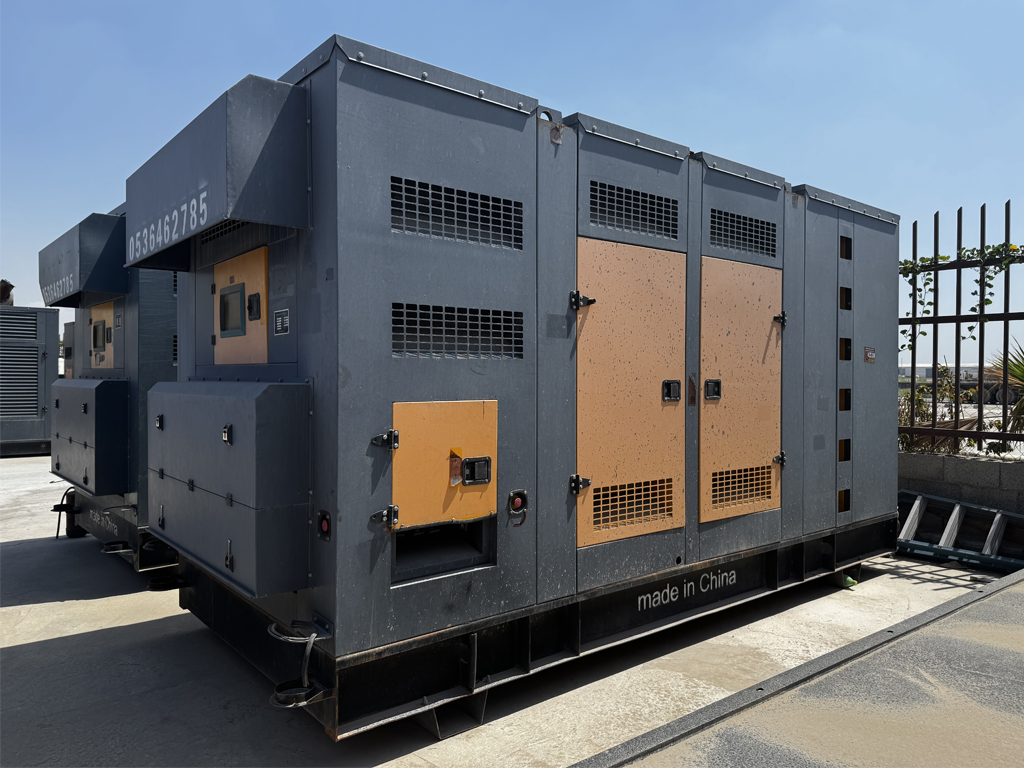
Silent generators are equipped with an enclosed canopy that incorporates soundproofing materials and noise-reduction structures. This design significantly reduces operational noise levels, making them suitable for environments where noise control is important, such as hospitals, commercial buildings, offices, and residential areas.
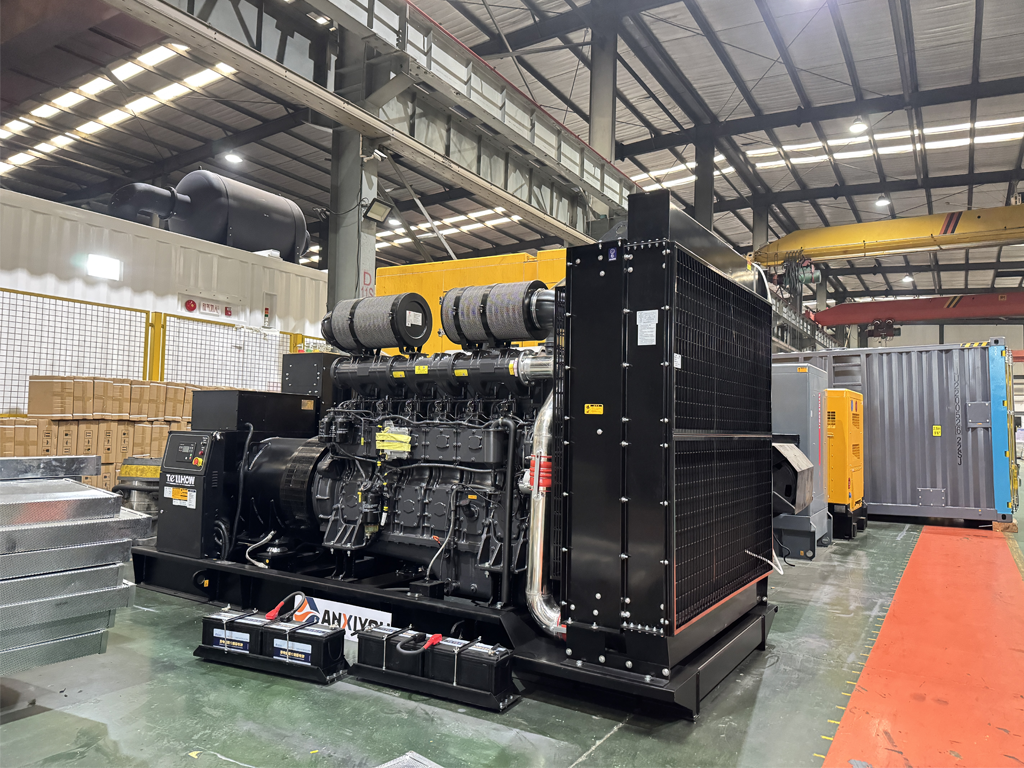
In contrast, open-type generators have a more exposed structure without an external enclosure. This allows for better natural airflow and more efficient heat dissipation. As a result, open-type generators often offer superior cooling performance and easier access for maintenance and inspection. They are commonly used in construction sites, industrial facilities, and other locations where noise is less of a concern.
However, each type also has its limitations. Silent generators, due to their enclosed design, require well-engineered ventilation systems to prevent overheating. Open-type generators, on the other hand, need additional protection against environmental factors such as dust, rain, and extreme weather conditions.
When selecting between the two, it is important to consider the specific application requirements, including noise restrictions, environmental conditions, and maintenance accessibility. A well-informed choice can help ensure both operational efficiency and long-term reliability.
Latest News
How Often Should a Diesel Generator Be Maintained? Maintenance Intervals Explained
Regular maintenance is essential to ensure the reliable performance and long lifespan of diesel generators. Without proper servicing, even high-quality generators may experience reduced efficiency, in
2026-05-06
How Long Can a Diesel Generator Run Continuously? Key Factors Explained
One of the most common questions regarding diesel generators is how long they can run continuously. The answer depends on several key factors, including fuel capacity, load conditions, environmental f
2026-05-06
How to Choose the Right Diesel Generator Size
Selecting the correct diesel generator size is essential for ensuring reliable power supply, operational efficiency, and equipment safety. An undersized generator may struggle to meet demand, while an
2026-05-06
Silent vs Open-Type Diesel Generators: Differences and Applications
Diesel generators are classified into silent (enclosed) and open-type designs. Silent generators offer effective noise reduction for sensitive environments, while open-type generators provide better c
2026-04-25
How Load Rate Affects Diesel Generator Lifespan
The load rate of a diesel generator directly affects its efficiency and lifespan. Operating within the optimal range of 70%–80% ensures efficient combustion and stable performance, while prolonged low
2026-04-25
CONTACT US
E-mail: [email protected]
Add: Building A1, Dubai Digital Park, Dubai Silicon Oasis, Dubai, Dubai






GET A FREE QUOTE
Copyright © 2026 Heavy Equipment & Diesel Generator Solutions | ANXIYOU Privacy Policy Terms of Service
WhatsApp:
E-mail:
在线客服添加返回顶部
右侧在线客服样式 1,2,3 1
图片alt标题设置: North Steel Manufacturing Co., Ltd.
表单验证提示文本: Content cannot be empty!
循环体没有内容时: Sorry,no matching items were found.
CSS / JS 文件放置地